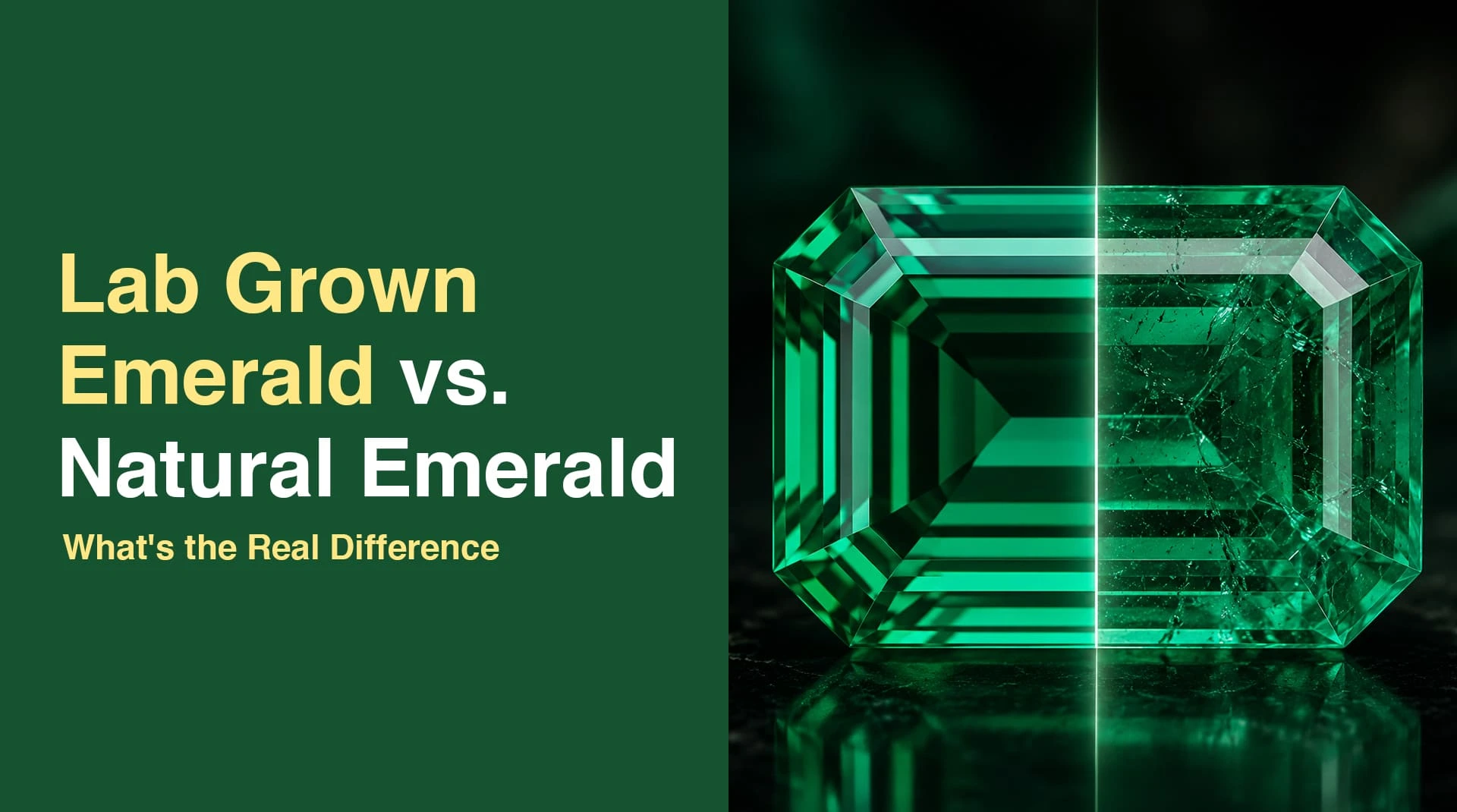
Lab-Grown Emerald vs. Natural Emerald: What's the Real Difference?
Emeralds are known for their deep green color and classic beauty, making them one of the most popular colored gemstones. Whether set in an engagement ring, pendant, earrings, or custom jewelry, emeralds represent style and skilled craftsmanship. Today, buyers can choose between natural and lab-grown emeralds, which raises an important question: what is the real difference?
The answer goes beyond just where each gemstone comes from. Both natural and synthetic emeralds can be beautiful, but they differ in origin, appearance, clarity, availability, and value. These differences help jewelers, designers, collectors, and buyers choose the gemstone that fits their needs.
As more people look for lab-grown and synthetic gemstones, interest in these consistent, high-quality options is growing. Still, natural emeralds are prized for their rarity and unique character, shaped by nature over millions of years.
In this guide, we’ll look at the main differences between lab-created and natural emeralds to help you understand their features without taking sides. Whether you want to buy a lab-grown emerald, find a loose stone, or choose an emerald for custom jewelry, this guide will help you make a confident choice.
Understanding the Difference Between a Lab-Grown Emerald and a Natural Emerald
The biggest difference between lab-grown and natural emeralds is how they form. Natural emeralds grow deep underground over millions of years, as heat, pressure, and minerals slowly create crystals in rocks. This process makes each natural emerald unique.
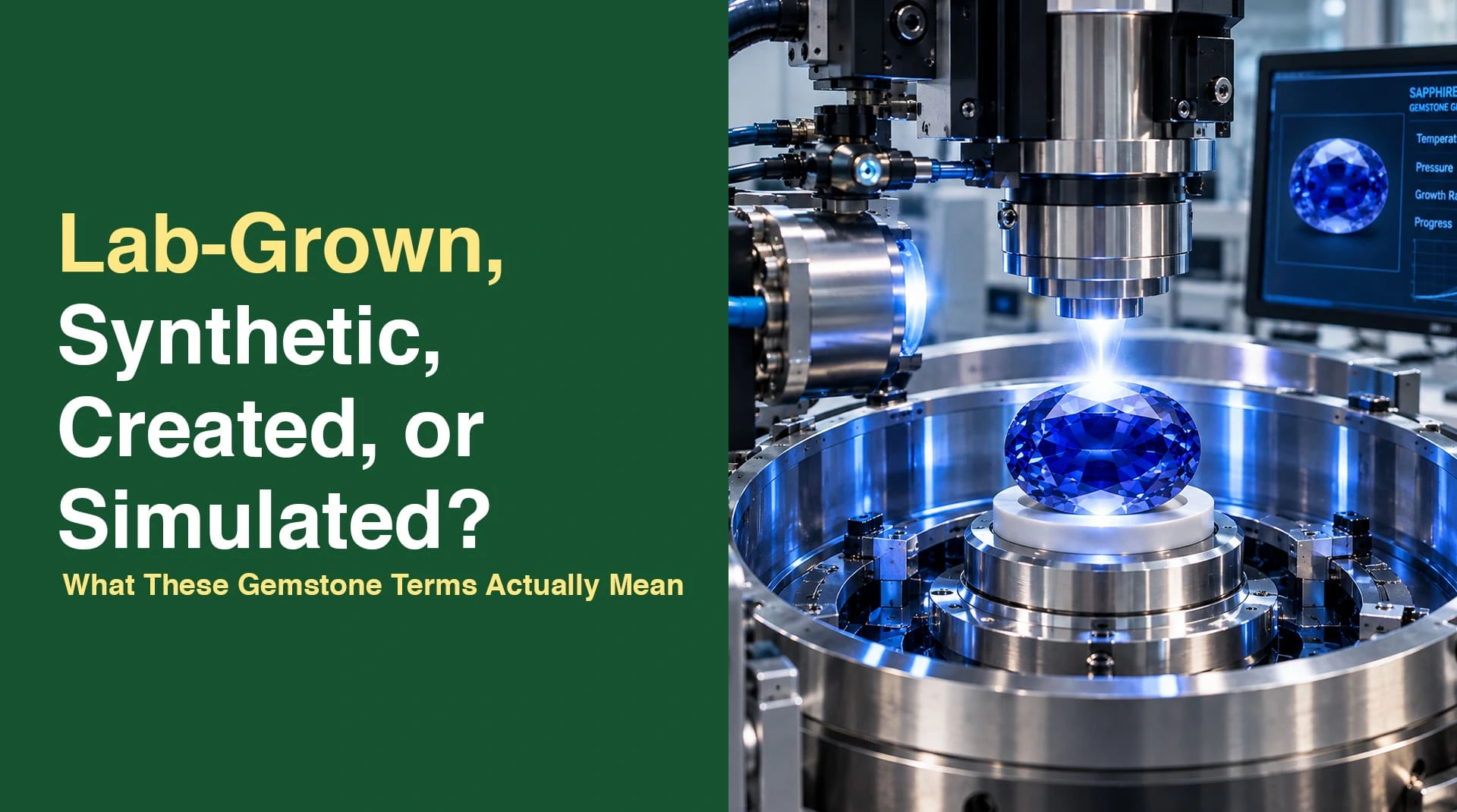
Lab-created emeralds are made in laboratories where experts recreate the conditions needed for emeralds to form. Technology lets them grow crystals with predictable color, clarity, and size. Even though they are made differently, lab-grown emeralds are still part of the same mineral family, called beryl.
Understanding this distinction is important because many buyers mistakenly assume that laboratory-created stones are just imitations. In fact, synthetic emeralds are real emeralds, not just lookalikes made from other materials. This makes the comparison between natural and lab-grown emeralds more interesting than just asking which one is 'real' or a matter of personal preference. Some customers appreciate the individuality of a Natural Emerald Gemstone, while others prefer the consistency and availability offered by lab grown colored gemstones.
Emerald Appearance: Looking Beyond First Impressions
One of the most fascinating aspects of any Emerald Gemstone is its appearance. At first glance, many people find it di One of the most interesting things about emeralds is how they look. At first, it can be hard to tell a lab-grown emerald from a natural one. Both can have bright green color, shine, and clear transparency when well cut and polished. Under unpredictable geological conditions, meaning no two stones are exactly alike. Variations in color distribution, internal features, and crystal development contribute to the individuality that many collectors admire.
A Synthetic Emerald, on the other hand, is often recognized for its remarkable consistency. Because laboratory conditions are carefully controlled, lab grown emeralds are known for their consistent appearance. Since labs control the growing conditions, these stones usually have even color and appearance. This is helpful for jewelry makers who need matching stones for earrings, bracelets, or sets. an equally important role in determining how beautiful a gemstone appears once set into jewelry.
That’s why skilled jewelers don’t judge emeralds only by whether they are lab-grown or natural. They look at all the features together to see how the gemstone looks as a whole.
Emerald Color Comparison
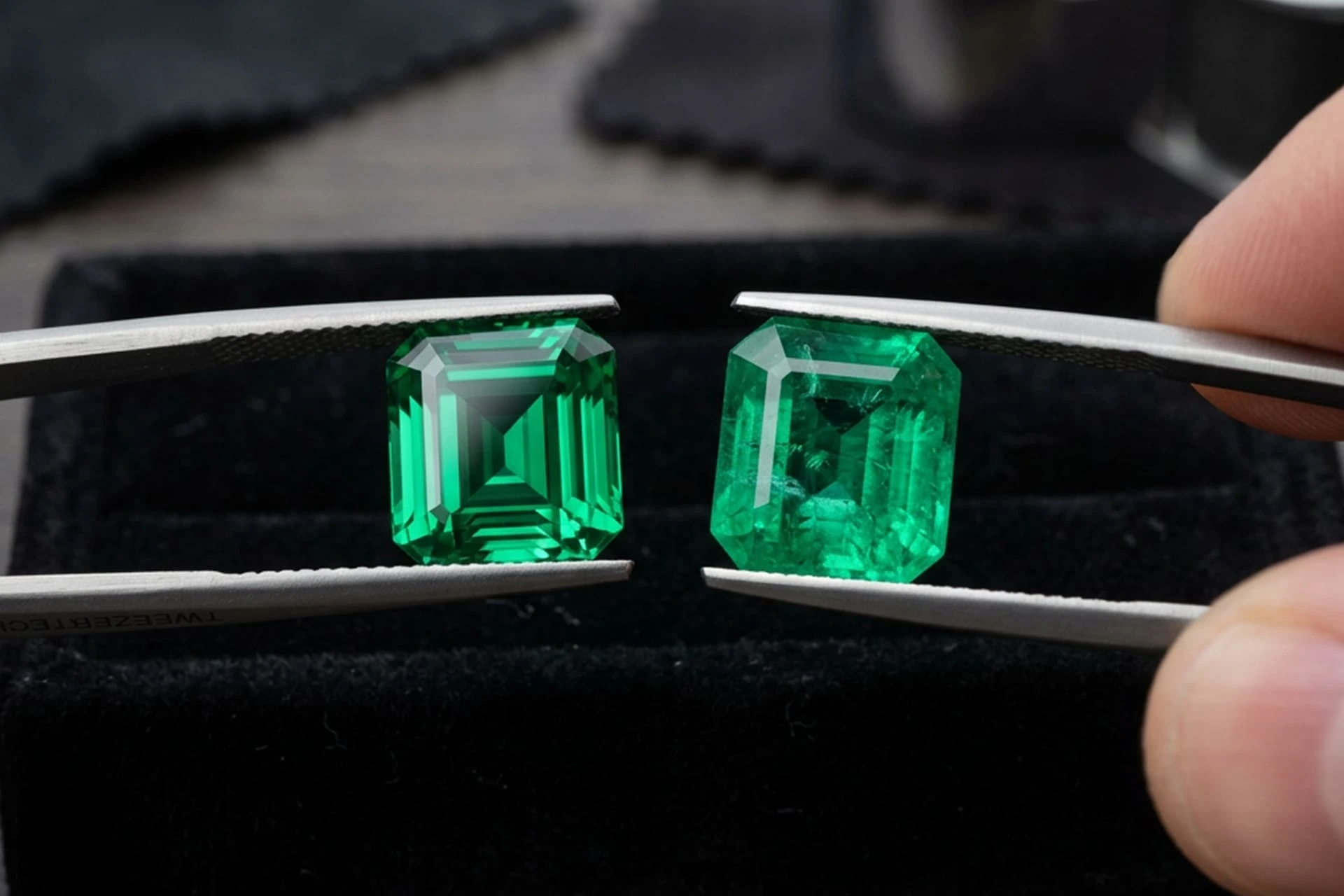
Color is often the most important feature of an emerald. No matter where it comes from, buyers usually want a nice green shade with even color and a pleasing tone throughout the stone.
When comparing emerald colors, natural emeralds often show small differences from how they grew. You might see changes in color strength or gentle color zones, which give each stone its own personality. Many collectors appreciate these natural features.
A lab grown emerald is typically known for offering more consistent color from one gemstone to another. Controlled production allows lab grown emeralds to usually have more consistent color from stone to stone. Because they are made in controlled settings, it’s easier to create matching stones for fine jewelry. This is helpful for designers and retailers who need gemstones that look alike. Some prefer the balanced color associated with a Premium Emerald produced under carefully controlled laboratory conditions.
When judging color, always look at gemstones under neutral lighting instead of just studio photos. Lighting can change how green an emerald looks, so seeing it in person is the best way to appreciate its real beauty.
Emerald Clarity Comparison
Clarity is especially important when looking at emeralds. Perfectly clear emeralds are rare in nature. Most natural emeralds have internal features from how they grew, so flawless stones are less common than with other gems.
Rather than reducing a gemstone's appeal, these internal characteristics often don’t make a gemstone less attractive. In fact, they add to its uniqueness. Jewelers know that clarity should be considered along with color, cut, and overall look, not on its own.ystal growth occurs within a carefully controlled environment. This allows manufacturers to produce gemstones with fewer visible internal characteristics, making them particularly attractive for jewelry requiring matching stones or larger calibrated collections.
When comparing synthetic and natural emeralds, don’t assume that clearer stones are always better. Some people like the unique look of mined emeralds, while others prefer the cleaner look of lab-grown gems.
Ultimately, selecting between the two depends on personal taste and intended jewelry design. In the end, choosing between them depends on your taste, the jewelry design, and how color, clarity, and craftsmanship work together not just one feature. One is the presence of internal features known as inclusions. Unlike many other gemstones, emeralds are widely recognized for containing naturally formed internal characteristics that contribute to their individuality. During an Emerald Inclusions Comparison, buyers often discover that inclusions are not automatically considered flaws. Instead, they help tell the story of how a gemstone developed.
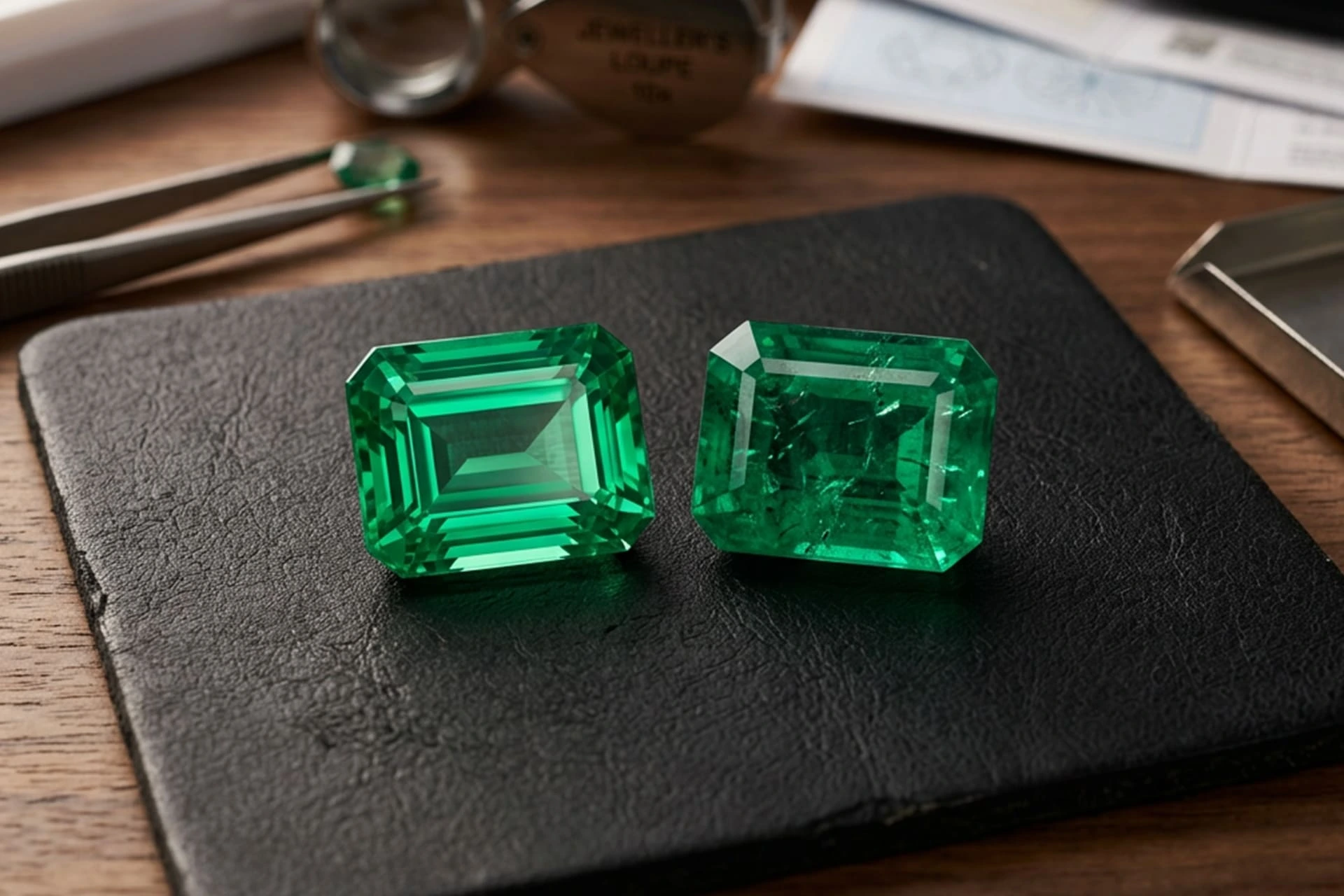
A Natural Emerald typically contains tiny crystal formations, fractures, and growth features formed during its development beneath the Earth's surface. These natural emeralds often have small crystals, fractures, and growth marks from forming underground. These features make each stone one of a kind. Many collectors enjoy the special look that natural inclusions give to each emerald. Internal characteristics make them particularly attractive for jewellery requiring matching stones. Designers working on luxury earrings, bracelets, or coordinated jewelry collections often appreciate this level of consistency because gemstones can be selected with similar visual characteristics.
When comparing natural and lab-grown emeralds, always consider inclusions along with color, cut, and overall look. A stone with more internal features can still be very beautiful if it has great color and is well made.
Emerald Transparency and Overall Beauty
Transparency plays an important role in how light interacts with an emerald. During an Emerald Comparison, transparency affects how light moves through an emerald. When comparing emeralds, buyers often see that transparency changes how bright and attractive a stone looks.pment. Some stones appear remarkably transparent, while others appear softer due to natural internal characteristics. These variations contribute to the individuality that many buyers appreciate.
A lab grown emerald often demonstrates more consistent transparency because crystal growth occurs under carefully monitored conditions. This consistency makes Lab-grown emeralds usually have more even transparency because they are made in controlled settings. This makes it easier to create stones that match well in jewelry collections.sociated with naturally formed gemstones, while others prefer the balanced visual consistency offered by Lab grown colored gemstones.
Emerald Value Comparison
One of the most common questions buyers ask involves Emerald Value. Many buyers wonder about emerald value. While some think origin is the only thing that matters, the truth is that value depends on several factors. Characteristics together rather than focusing on a single factor. Color, clarity, cut, transparency, craftsmanship, size, and overall visual appeal all influence how an emerald is assessed.
Natural emeralds attract buyers because of their unique origin and one-of-a-kind character. Each natural stone is a unique crystal that can’t be exactly copied, which makes them special to some collectors.
Lab-created emeralds offer consistent quality and appearance. For jewelry makers and retailers who need stones that match in color, clarity, and size, this consistency is a big advantage. It makes creating matching sets much easier.
In the end, buyers should consider how they plan to use the gemstone rather than assuming one type is always more valuable. The best choice depends on your needs, jewelry design, and what you expect.
Emerald Price and Emerald Price Per Carat
Another important consideration is Emerald Price. Many things affect how much an emerald costs, so buyers shouldn’t judge a stone just by its price.ding on color quality, clarity, transparency, cut, size, and overall craftsmanship. Two emeralds of identical weight may differ considerably in price because of differences in these characteristics.
A Natural Emerald with excepA natural emerald with great color and beauty can be more expensive because such stones are rare. On the other hand, a well-chosen lab-grown emerald gives buyers larger, cleaner stones with a consistent look, which is appealing for many jewelry uses.ers should evaluate the gemstone as a whole rather than focusing exclusively on carat weight. Color, cut, appearance, and craftsmanship often have a greater influence on overall beauty than size alone.
If you want to buy a lab-grown or synthetic emerald, comparing stones side by side helps you see quality better than just reading the specs.
Which Emerald Is Right for You?
Choosing between a natural and a synthetic emerald depends on what matters most to you, not on a single definition of quality.
A Natural Emerald: Natural emeralds are great for buyers who like stones formed by nature, with unique crystal features and individuality. Each one has its own character, so every purchase is unique. They are often preferred by jewelry designers, manufacturers, and buyers looking for consistency across multiple gemstones. Whether selecting stones for matching earrings or creating emeralds for Custom Jewellery, laboratory grown gemstones provide predictable color, clarity, and dimensions that simplify the design process.
Wholesale businesses also benefit from the steady supply of lab-grown emeralds, making it easier to get large numbers of matching stones for commercial jewelry.
If you want a loose lab-grown emerald for a custom design, consistency and availability are big advantages. But if you value the unique character of natural stones, you might prefer a natural emerald.
Neither type replaces the other. Each has its own role in today’s jewelry industry.
Emerald Selection Guide
When choosing an emerald, it’s best to look at the gemstone as a whole instead of focusing on just one feature. Start by thinking about why you want the jewellery, how you want it to look, and which qualities matter most to you.
When comparing gemstones, examine:
- Overall Emerald Color
- Emerald Clarity
- Emerald Appearance
- Emerald Transparency
- Quality of the Emerald Cut
- Overall craftsmanship
A gemstone that balances all these qualities is usually more appealing than one chosen just for its size or where it comes from.
No matter if you pick a lab grown or natural emerald, buying from a trusted supplier gives you reliable information and helps you feel more confident. It’s always a good idea to compare several gemstones before you decide.
Lab Grown Emerald vs Natural Emerald: Quick Comparison
|
Emerald Origin |
Laboratory |
Earth |
|
Emerald Formation |
Controlled crystal growth |
Geological processes |
|
Emerald Colour |
Highly consistent |
Naturally variable |
|
Emerald Clarity |
Generally more consistent |
Naturally variable |
|
Emerald Inclusions |
Usually fewer visible characteristics |
Naturally occurring characteristics |
|
Emerald Transparency |
Consistent |
Varies from stone to stone |
|
Availability |
Readily available |
Limited by natural supply |
|
Matching Stones |
Easier to source |
More challenging |
|
Suitable For |
Jewellery collections, custom designs, calibrated stones |
Collectors, unique jewellery pieces |
Conclusion
The choice between lab grown and natural emeralds isn’t about which one is better for everyone. It’s about finding the option that fits your own style, jewellery design, and what matters most to you.
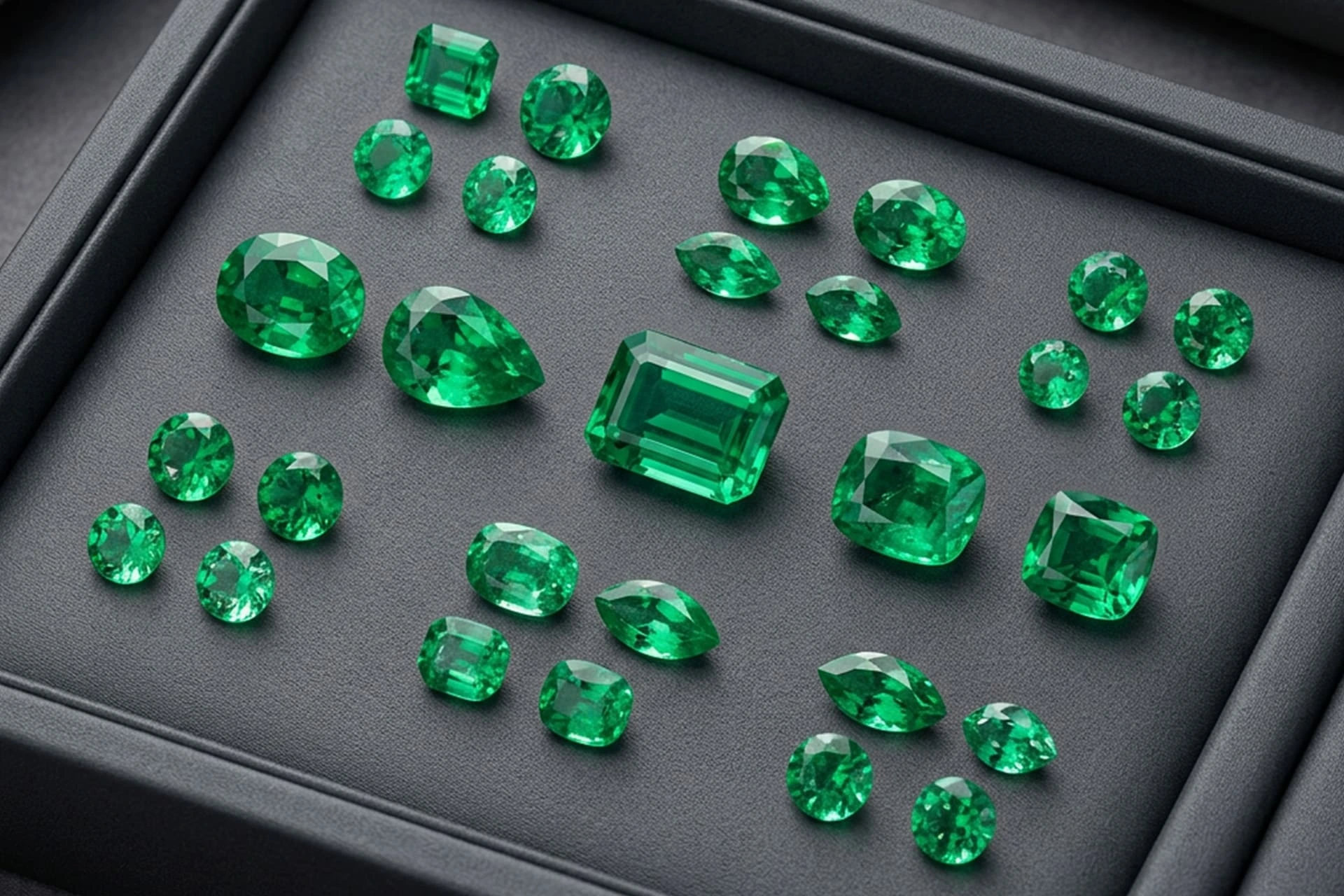
Natural emeralds offer individuality developed through nature, while lab grown emeralds are consistent in quality and easier to find. Both types come from the same mineral family and can be stunning if you choose carefully. Whether for manufacturing or selecting a single statement piece, understanding Emerald Characteristics allows you to make a more confident decision.
The best way to choose is to look at each emerald for its own qualities, like color, clarity, appearance, transparency, craftsmanship, and how it looks overall. By focusing on these things instead of just where it comes from, you can find an emerald that fits what you want and need.