Do Lab-Grown Gemstones Last Forever? Everything Buyers Should Know
When people buy fine jewelry, they often wonder: Do lab-grown gemstones last forever? The answer is yes. High-quality lab-grown gemstones can last a lifetime and even be passed down as heirlooms. Being made in a lab does not make a gemstone weaker or less permanent. If a lab-created stone has the same chemical makeup and crystal structure as a natural one, it will perform just as well over time.
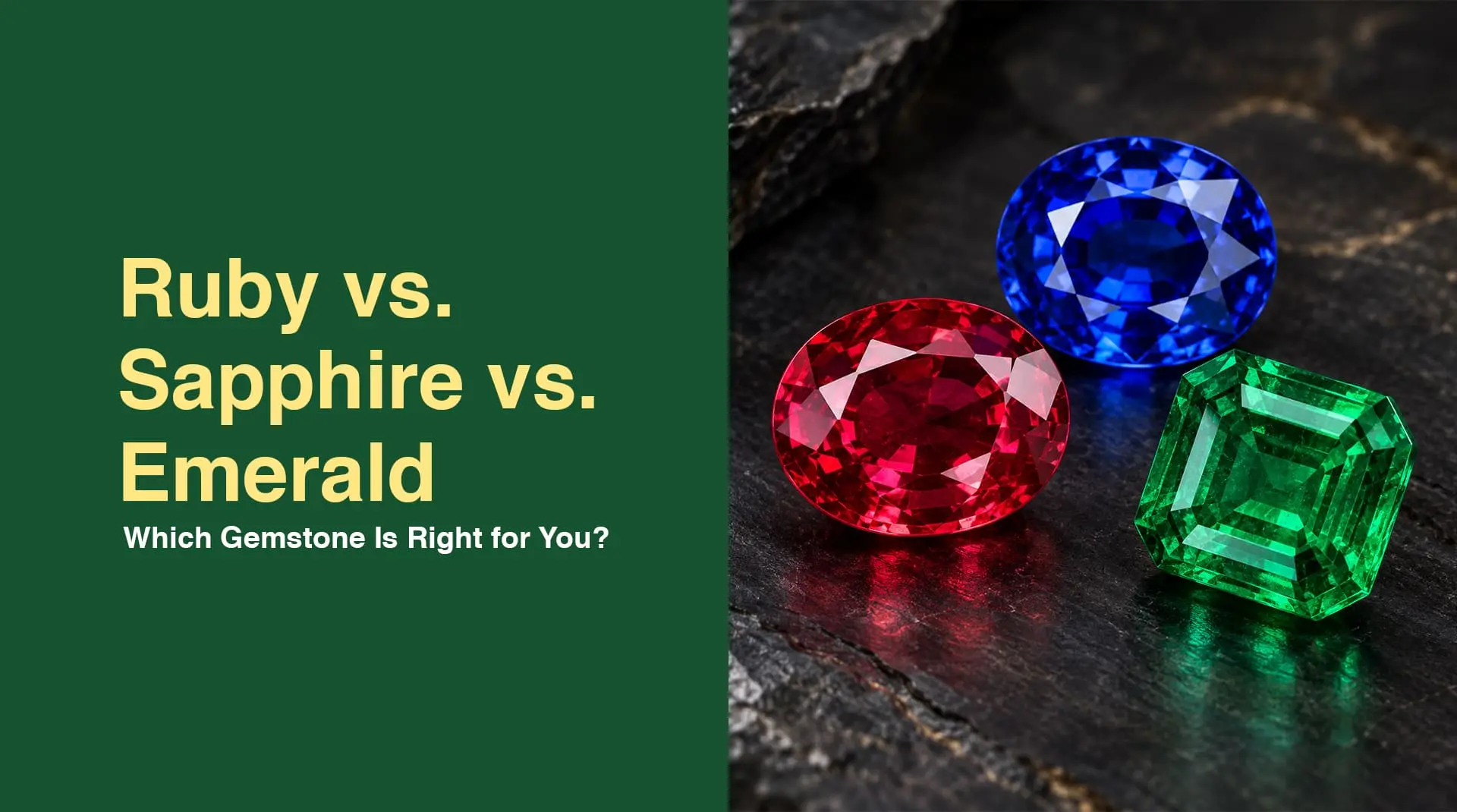
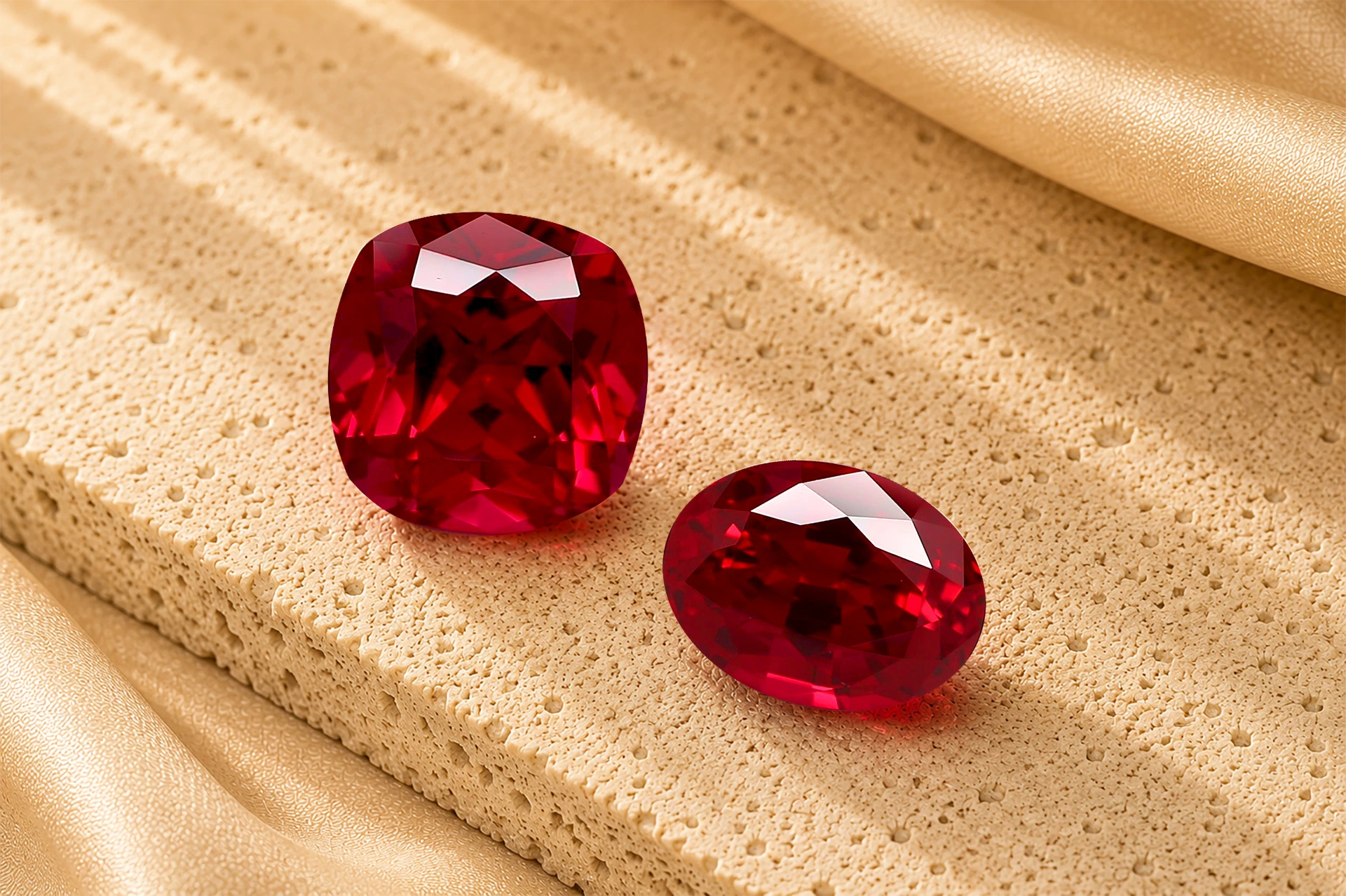
This matters most for anyone looking at synthetic ruby, synthetic emerald or synthetic sapphire gemstones. These are not glass copies or fake stones with coatings. They are real gemstones made in a lab. Their beauty, hardness, clarity, and strength make them a smart choice for people who want jewelry that lasts, is responsibly sourced, and offers good value.
What Are Lab-Grown Gemstones?
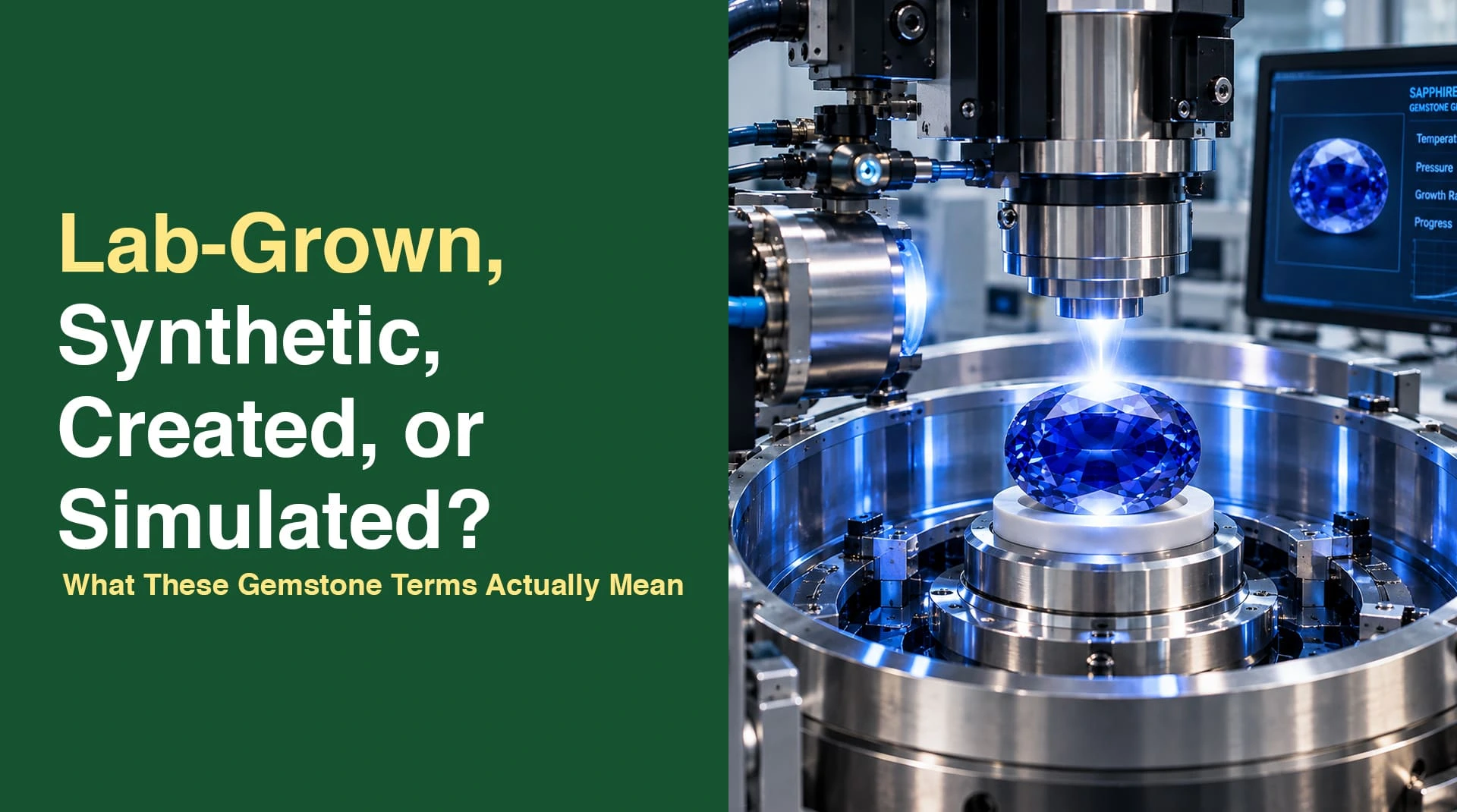
Lab-grown gemstones are made in labs using advanced methods that copy how natural gemstones form. Instead of taking millions of years underground, these stones grow in controlled lab settings. The end result is a gemstone that is basically the same as a mined one of the same type.
For example, both synthetic and natural rubies are made of corundum. The same goes for synthetic sapphires. Synthetic emeralds, like natural ones, are part of the beryl family. Since their internal structure is the same, how long a gemstone lasts depends on its mineral type, not where it was made.
Do Lab-Grown Gemstones Really Last Forever?
In everyday use, the answer is yes. Lab-grown gemstones can last for generations if they are well cut, set, worn, cleaned, and stored. The crystal will not wear out, peel, melt, or lose its character over time. Still, just like natural stones, they are not unbreakable. Hard knocks, bad storage, harsh chemicals, or weak settings can damage any gemstone.
The best way to understand longevity is to separate the gemstone from the jewelry setting. To understand how long a gemstone lasts, think about the stone and the jewelry setting separately. A good synthetic sapphire can stay beautiful for decades, but the prongs holding it might need to be checked or fixed as time goes on. In the same way, a synthetic emerald can keep its green color, but it should be protected from hard bumps since emeralds are not as tough as rubies or sapphires with respect to structure, hardness, toughness, and stability. Lab-grown gemstones match natural gemstones in these core areas when they are properly manufactured. That is why a lab-grown ruby and a natural ruby behave similarly in daily wear. The same principle applies to lab-grown sapphire and lab-grown emerald.
- Resistance to scratching
- Resistance to chipping, cracking, or breaking.
- Resistance to heat, light, and chemicals during normal wear.
- The security and protection provided by the jewelry design.
Mohs Hardness of Popular Lab-Grown Gemstones
|
Gemstone |
Mineral Family |
Mohs Hardness |
Daily Wear Suitability |
|
Synthetic Ruby |
Corundum |
9 |
Excellent |
|
Synthetic Sapphire Gemstones |
Corundum |
9 |
Excellent |
|
Synthetic Emerald |
Beryl |
7.5-8 |
Good with care |
Ruby and sapphire are some of the hardest colored gemstones used in fine jewelry. This makes them great for engagement rings, everyday rings, pendants, earrings, and bracelets. Emeralds are also strong, but they need a bit more care because they can be more likely to chip or crack. Using a protective setting, like a bezel or halo, can help keep them safe.

Do Emerald, or Synthetic Sapphire Fade?
Many people worry that lab-grown gemstones might lose their color over time. High-quality synthetic ruby, emerald, and sapphire do not fade in normal use. Their color is not just on the surface—it comes from trace elements inside the crystal. For rubies, chromium gives the red color. For emeralds, chromium and vanadium create the green. For blue sapphires, iron and titanium are responsible for the blue.
Since the color is built into the crystal, normal sunlight and daily wear will not take it away. This is not like fake stones, dyed gems, or coated glass, where the color can wear off. It’s still best to avoid extreme heat, harsh chemicals, and rough handling, but regular use will not make real lab-grown gemstones lose their beauty.
Are Lab-Grown Gemstones Suitable for Everyday Jewelry?
Yes, lab-grown gemstones work well for many kinds of everyday jewelry, as long as you pick the right stone for the right piece. Synthetic sapphire and ruby are great for rings because they are hard and resist scratches. Synthetic emerald is better for pendants, earrings, special rings, or rings with protective settings if you want to wear them every day.
If you want both durability and color, lab-grown gemstones are a great choice. They work well in engagement rings, wedding jewelry, anniversary gifts, luxury earrings, bracelets, necklaces, and custom pieces. Their steady quality and easy availability also make them popular with designers who need matching stones and consistent color.
Lab-Grown Gemstones vs Natural Gemstones: Which Lasts Longer?
When it comes to durability, where a gemstone comes from does not decide how long it will last. Natural and synthetic rubies are made of the same mineral, so both can last for generations. The same is true for sapphires. Both natural and synthetic emeralds need more careful handling than rubies or sapphires, but their origin does not change their toughness.
The main differences are in where the stones come from, how rare they are, their price, how easy they are to trace, and what buyers like. Natural gemstones are prized for being rare, while lab-grown stones are valued for being responsibly sourced, clear, consistent, and affordable. In terms of how long they last, a good lab-grown gemstone can perform just as well as a natural one.

How to Make Lab-Grown Gemstones Last for Generations
- Clean jewelry with mild soap, lukewarm water, and a soft cloth.
- Avoid bleach, acids, and harsh household chemicals.
- Store gemstones separately to prevent scratches.
- Remove rings during gym workouts, gardening, or heavy manual work.
- Have prongs and settings checked by a jeweler at least once a year.
- Use protective settings for emerald jewelry intended for frequent wear.
Good care is a must but important. Most gemstone damage happens because of impact. Taking care of your jewelry is easy but matters a lot. Most damage to gemstones comes from bumps, bad storage, or loose settings—not from age. Keeping your jewelry clean and safe helps it stay bright and avoids unnecessary repairs. Ideal for buyers who want real gemstone beauty with modern advantages. They are suitable for customers looking for ethical gemstones, sustainable jewelry, high-quality colored gemstones, certified lab-grown gemstones, affordable luxury jewelry, and custom designs. They are also helpful for buyers who want larger or cleaner gemstones without paying the premium usually associated with rare mined stones.
Genuine lab-grown gemstones do not become cloudy simply with age. Dirt, oil, lotion, and soap residue can temporarily reduce sparkle, but cleaning usually restores brilliance.
Conclusion
So, do lab-grown gemstones last forever? With normal care, high-quality lab-grown gemstones can last a lifetime and stay beautiful for generations. Synthetic ruby and sapphire are especially tough because they are very hard, while synthetic emerald keeps its beauty if you handle it with care.
The main idea is simple: where a gemstone comes from does not make it less lasting. A lab-grown gemstone with the same chemical makeup and structure as a natural one will last just as long. If you want beauty, durability, sustainability, and value, lab-grown gemstones are a smart and lasting choice.
Sources / References