Ruby vs. Sapphire vs. Emerald: Which Gemstone Is Right for You?
Choosing between a ruby, sapphire, or emerald involves more than picking your favorite color. Each gemstone has its own appearance, strength, clarity, and style. These factors are especially important with lab-grown gems, where you can focus on color, cut, clarity, size, and how you want to use the stone.
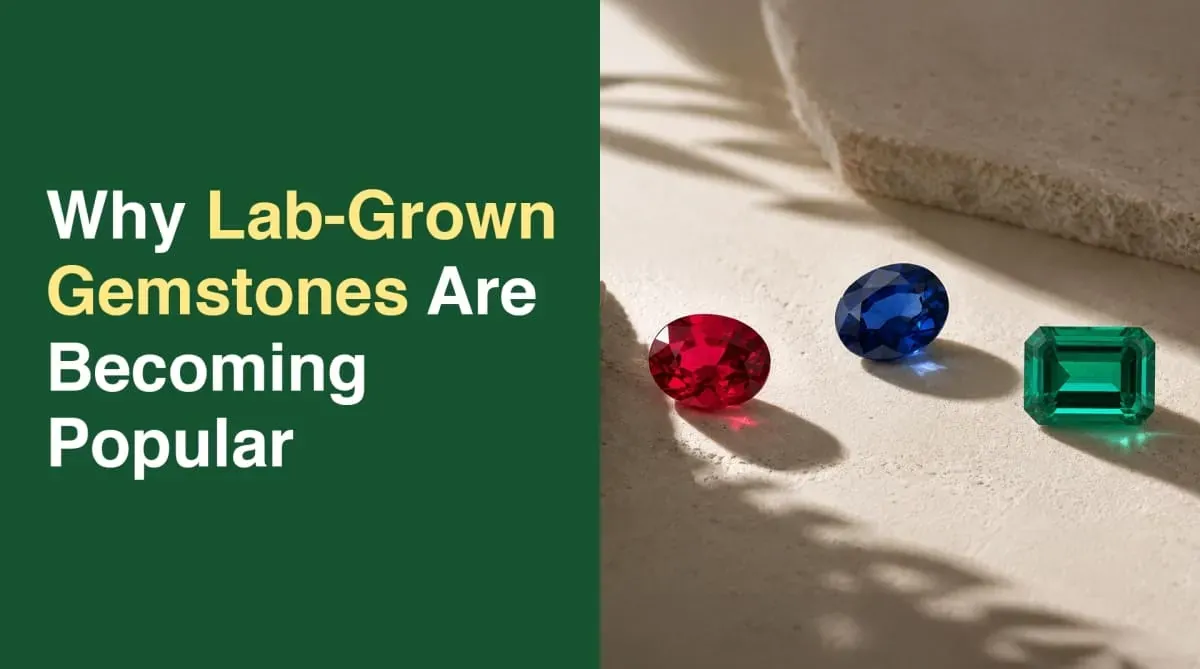
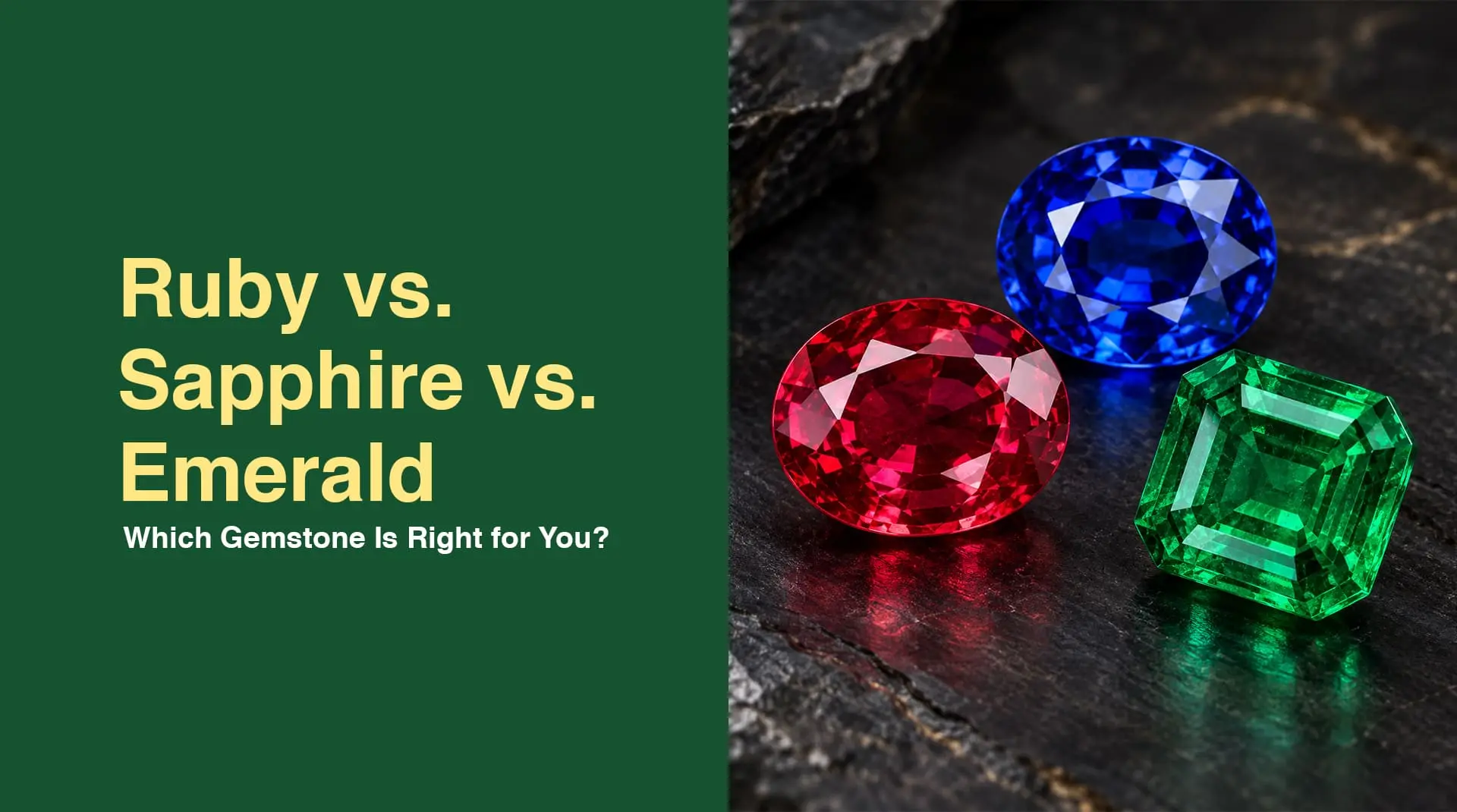
Rubies are known for their bold red color. Sapphires are usually blue, but they also come in many other colors. Emeralds are recognized for their unique green color and natural markings. Understanding these differences can make it easier to pick the right gemstone.
Ruby, Sapphire or Emerald: What Makes Them Different?
Ruby, sapphire, and emerald are all major jewelry gemstones, but they are not the same mineral.
Ruby and sapphire belong to the corundum family. Ruby is the red variety of corundum, while sapphire refers to corundum in colors other than ruby red. Both have a Mohs hardness of 9, making them suitable for jewelry that receives regular wear.
Emerald is part of the beryl family. Its green color is its main feature, and inclusions are usually seen as part of its charm. Emeralds are more likely to get damaged than corundum, so they need more careful handling and care.
If you are buying a lab-grown gemstone, remember that 'lab-grown' only refers to how the stone was made, not what it is made of. A lab-grown ruby is still a ruby, a lab-grown sapphire is still a sapphire, and a lab-grown emerald is still an emerald.
Lab-Grown Ruby: For a Bold Red Look
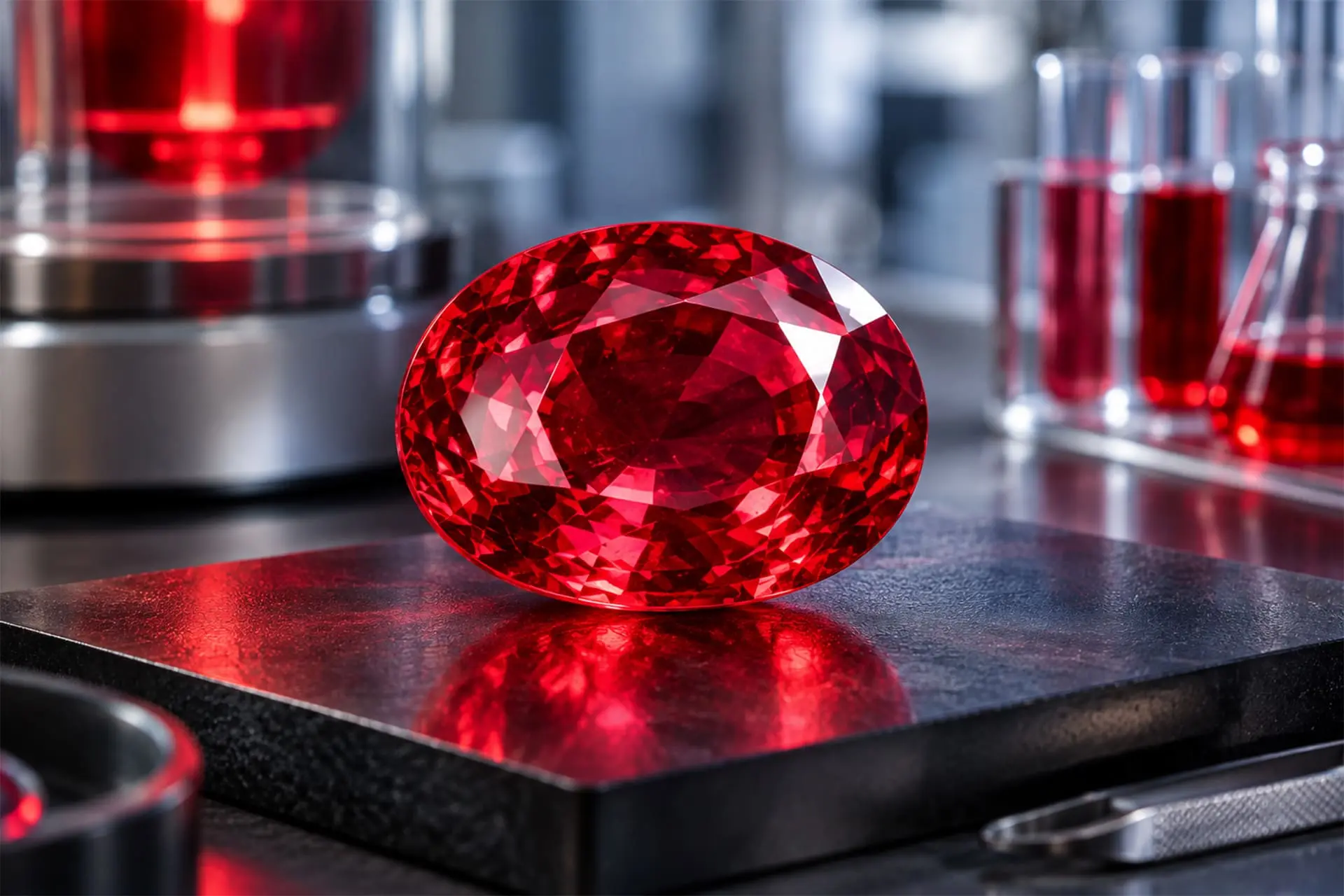
Ruby is an obvious choice for someone who wants a gemstone with a strong, dramatic color.
The most desirable ruby colors are generally vibrant red to slightly purplish red, neither excessively dark nor excessively light. Color is particularly important when evaluating ruby quality.
Clarity is also important for rubies. Most natural rubies have inclusions, and finding one without any is very rare. Some inclusions can even change how the ruby looks.
When considering a lab-grown ruby, pay attention to:
- Red color: Look for the shade and saturation that appeal to you.
- Clarity: Check whether inclusions affect transparency or brightness.
- Cut: A well-proportioned cut can improve light return and visual impact.
- Size: Decide whether you want a subtle accent or a larger statement stone.
- Treatment information: Understand whether the stone has undergone any treatment.
- Certification: Consider independent documentation when certification is important to your purchase.
Since ruby and sapphire are both types of corundum, a lab-grown ruby is made of the same material as a natural ruby, but it is created in a laboratory setting.
Lab-Grown Sapphire: For Versatility and Everyday Jewelry
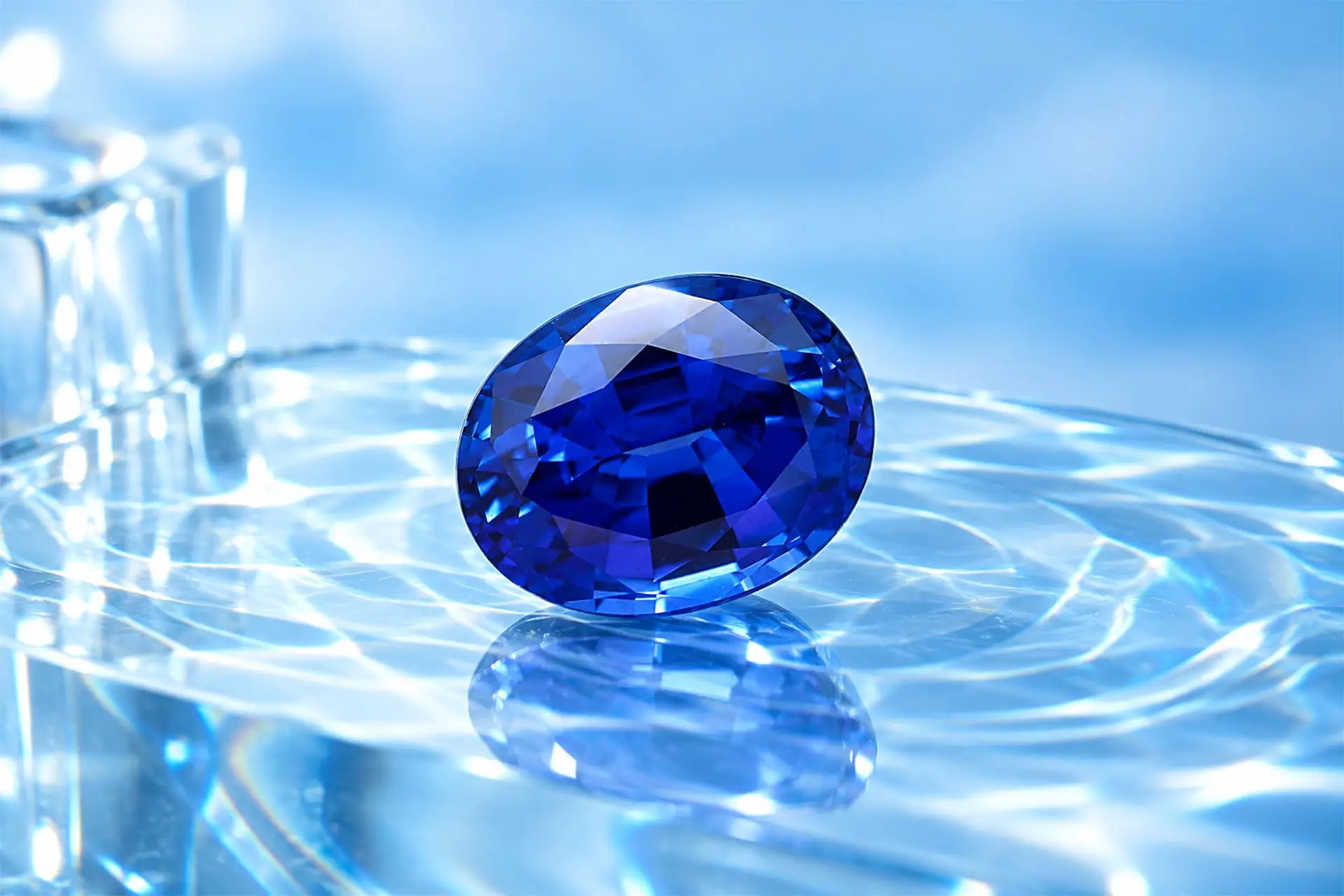
Sapphire is often associated with blue, but blue is only one part of the sapphire color range.
Sapphires can also occur in colors such as pink, yellow, orange, purple, green, and violet. Red corundum is classified as ruby rather than sapphire.
This means lab-grown sapphire is a great choice if you want jewelry in colors other than the classic blue.
For blue sapphires, look for strong, vivid color and a pleasing shade. The best sapphires are not always the darkest blue. If the color is too dark, the stone can look less bright, so it's important to find a good balance.
Sapphire is a practical choice for jewelry you wear often. Corundum has a Mohs hardness of 9, and the GIA says both ruby and sapphire are very durable, making them good for rings and other pieces you use every day.
When buying a lab-grown sapphire, consider:
- Color: Blue, pink, yellow, orange, purple, or another sapphire color.
- Saturation: Look for a color that remains lively rather than overly dark.
- Clarity: Some inclusions are normal, but they should not significantly affect appearance or durability.
- Cut: Proportions and orientation can influence how the color and light appear.
- Intended jewelry: Sapphire's durability makes it suitable for many everyday jewelry designs.
If you are looking for a gemstone with lots of color options, sapphire is a great place to start.
Lab-Grown Emerald: For Distinctive Green Character
Emerald looks quite different from ruby and sapphire.
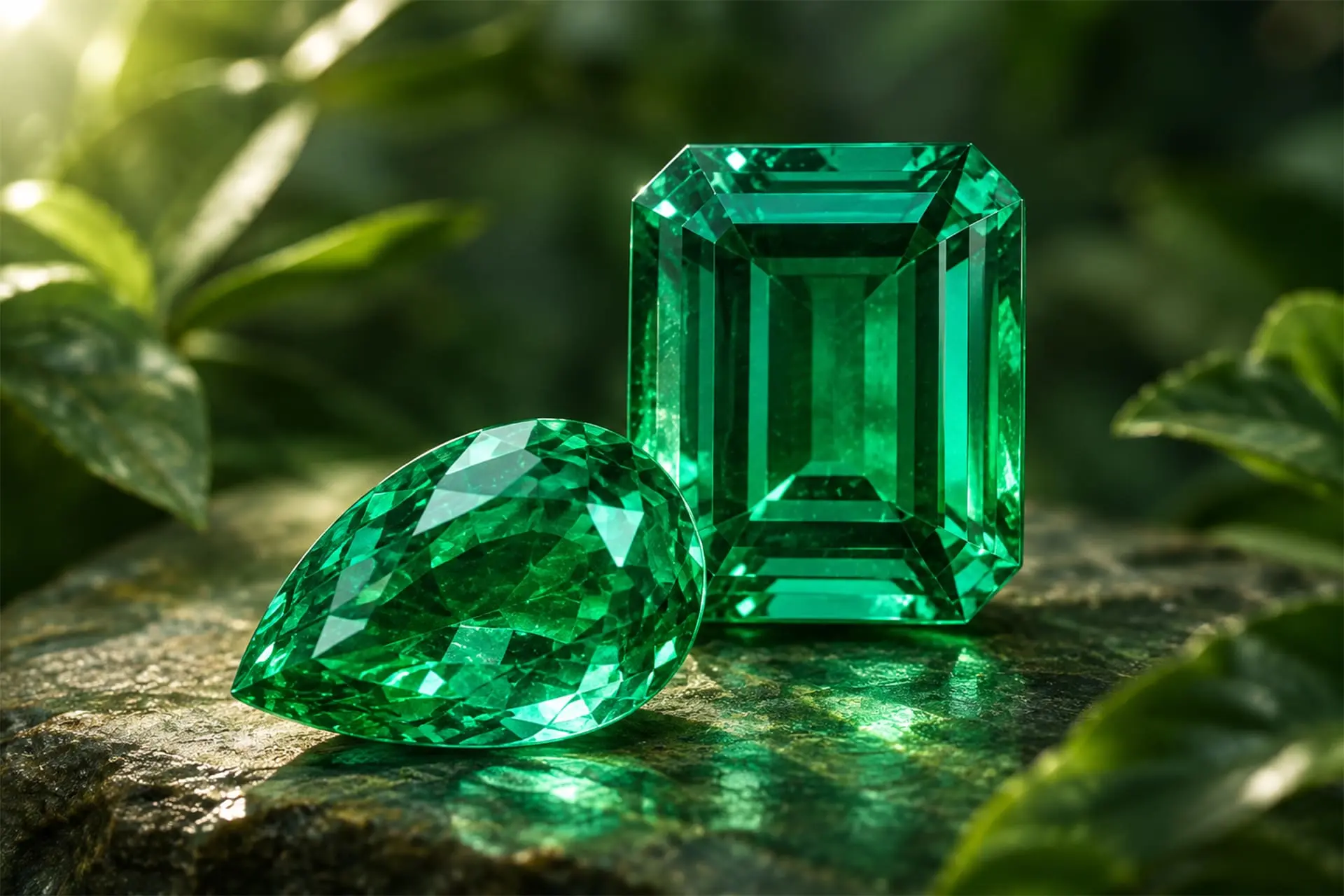
Its defining feature is its green color, with desirable emerald colors generally ranging from bluish green to pure green with strong saturation.
Clarity is one of the main ways emeralds differ from the other two stones.
Unlike some gemstones where buyers may automatically look for a completely clean stone, inclusions are common in emeralds. The internal features of an emerald are often described as its jardin, or "garden." Eye-visible inclusions are accepted as part of an emerald's character, although inclusions that significantly reduce transparency or durability can affect the stone.
Because of these differences, you should not buy a lab-grown emerald the same way you would buy a ruby or sapphire.
Look closely at:
- Green color: The hue, tone, and saturation create much of the gemstone's visual appeal.
- Transparency: Excessive inclusions can reduce how clearly light travels through the stone.
- Inclusions: Some internal features are expected, but their size, position, and effect matter.
- Cut: The cut should work with the gemstone's color and internal characteristics.
- Durability: Emerald requires more care than corundum because it is more brittle and can be vulnerable to fractures.
If you like gemstones with visible, natural-looking features inside instead of a flawless look, emeralds can give you a unique experience.
Which Gemstone Should You Choose for Everyday Jewelry?
How you plan to use the gemstone is one of the best ways to help you decide.
For a ring worn every day
Ruby and sapphire are especially practical options because corundum has a Mohs hardness of 9 and good toughness.
You can use emeralds in rings too, but because they are more brittle, the setting, design, and how you care for them matter more.
For a statement piece
Ruby can work particularly well when you want a strong red centerpiece.
A vivid sapphire can create a classic blue statement, while fancy-colored sapphire gives you more unusual options.
Emeralds can make a bold statement with their rich green color and unique internal features.
For maximum color choice
Sapphire offers the most color choices of the three. While blue is the most popular, you can also find sapphires in pink, yellow, orange, purple, green, and more.
For a distinctive green gemstone
If you are mainly drawn to green, emerald is the obvious choice.
Color, Clarity and Cut Matter Differently for Each Gemstone
A common mistake is using the same checklist for every colored gemstone.
Instead, look at each gemstone's unique qualities when making your choice.
Ruby:
Color is particularly important. Strong, vibrant red is highly sought after, while clarity matters when inclusions interfere with transparency or brightness.
Sapphire:
Color remains a major consideration, but clarity and cut also influence appearance. Some inclusions are normal, and certain ones can create desirable visual effects.
Emerald:
Color is extremely important, but inclusions are much more expected. Consider transparency and the effect of inclusions rather than simply searching for an "eye-clean" stone.
This is especially important with lab-grown colored gemstones. A bigger stone is not always better if its color, cut, or clarity do not fit what you want.
What About Lab-Grown Gemstone Quality?
Do not focus only on whether a gemstone is lab-grown.
When comparing a lab-grown ruby, sapphire, or emerald, consider the complete gemstone:
- Confirm the gemstone type.
- Look at the color in different lighting conditions.
- Examine the cut and symmetry.
- Check clarity and visible inclusions.
- Ask about treatments.
- Check the carat weight and dimensions.
- Review certification or grading documentation when available.
- Make sure the gemstone is clearly described as lab-grown or synthetic.
This way of choosing is better than picking a gemstone just because it is bigger or costs less.
Ruby vs. Sapphire vs. Emerald: Think About Your Personal Style
There is no one gemstone that is perfect for everyone.
Instead, think about what you want the gemstone to communicate visually.
Choose ruby if you prefer:
- Strong red color
- A bold and dramatic appearance
- A traditional precious gemstone with a powerful visual presence
- A gemstone suitable for regular-wear jewelry
Choose sapphire if you prefer:
- Blue or another colorful gemstone
- A wide variety of color choices
- Strong durability for everyday jewelry
- Classic or contemporary designs
Choose emerald if you prefer:
- Rich green color
- A distinctive internal appearance
- Characteristic inclusions rather than an ultra-clean look
- A gemstone with a more delicate handling requirement
You should think about the same factors whether you are looking at natural or lab-grown ruby, sapphire, or emerald. The main difference is where the gemstone comes from.
Buying a Lab-Grown Ruby, Sapphire or Emerald
Before you buy, do not focus only on the gemstone's name or carat weight.
Ask the seller for clear information about:
- The gemstone's laboratory-grown or synthetic status
- Growth method, when relevant
- Any treatments
- Carat weight and dimensions
- Color and clarity characteristics
- Certification or grading documentation
- Return or exchange policies
- Care requirements
A reliable seller should clearly tell you what material you are buying and how the gemstone was made or treated.
This is important because lab-grown, synthetic, imitation, and treated all mean different things. Knowing exactly what you are getting helps you compare gemstones with confidence.
Key Takeaways
- Ruby and sapphire are varieties of corundum, while emerald belongs to the beryl family.
- Ruby and sapphire have a Mohs hardness of 9 and suit many types of everyday jewelry.
- Ruby is particularly recognized for its strong red color.
- Sapphire comes in blue as well as many other colors.
- Emerald is known for its saturated green color and characteristic inclusions.
- Emerald requires more attention to durability and care than ruby or sapphire.
- Consider color, clarity, cut, and carat weight based on the specific gemstone rather than a single universal standard.
- Lab-grown gemstones let buyers choose ruby, sapphire, or emerald based on appearance and characteristics while clearly understanding their laboratory origin.
Conclusion
So, which gemstone is right for you: ruby, sapphire, or emerald?
The right choice depends on what matters most to you in a gemstone.
If you are drawn to bold red, ruby may match your style. If you want durability combined with a broad choice of colors, sapphire offers considerable flexibility. If rich green color and distinctive internal character appeal to you, emerald may be the better fit.
When it comes to lab-grown colored gemstones, it is not about which one is best for everyone. Instead, compare each stone's color, clarity, cut, durability, treatments, certification, and how you plan to use it.
Whether you choose a lab-grown ruby, lab-grown sapphire, or lab-grown emerald, understanding the gemstone before you buy will help you choose based on its actual characteristics rather than its name.