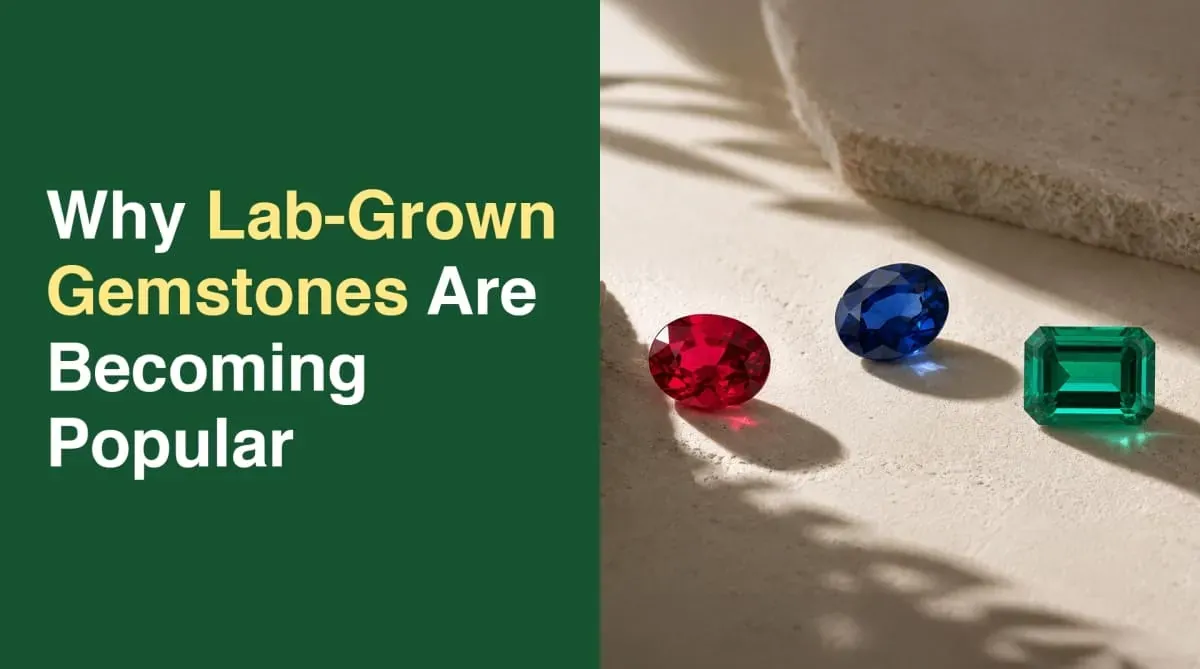
Why Lab-Grown Gemstones Are Becoming Popular
For centuries, people valued colored gemstones because they were rare, hard to find, and expensive. But things are changing. Lab-grown gemstones, also known as synthetic or lab-created stones, have quickly become one of the fastest-growing choices in fine jewelry. Many buyers who once thought lab-grown rubies or sapphires were "less real" are now learning that these stones have the same chemistry, crystal structure, and sparkle as mined gems. In this guide, Dediam BV explains what lab-grown gemstones are, how they are made, and why they are becoming so popular.
What Are Lab-Grown Gemstones?
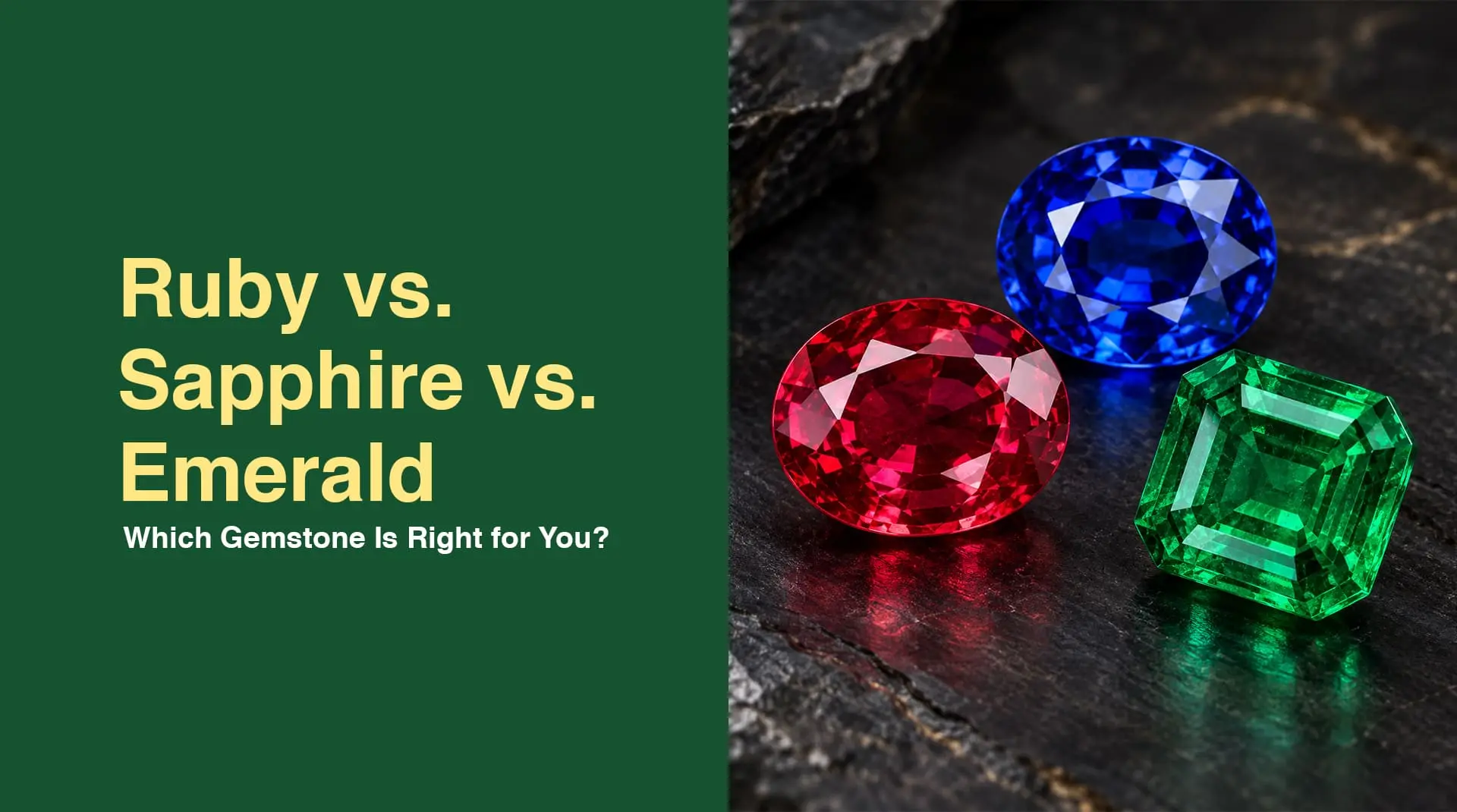
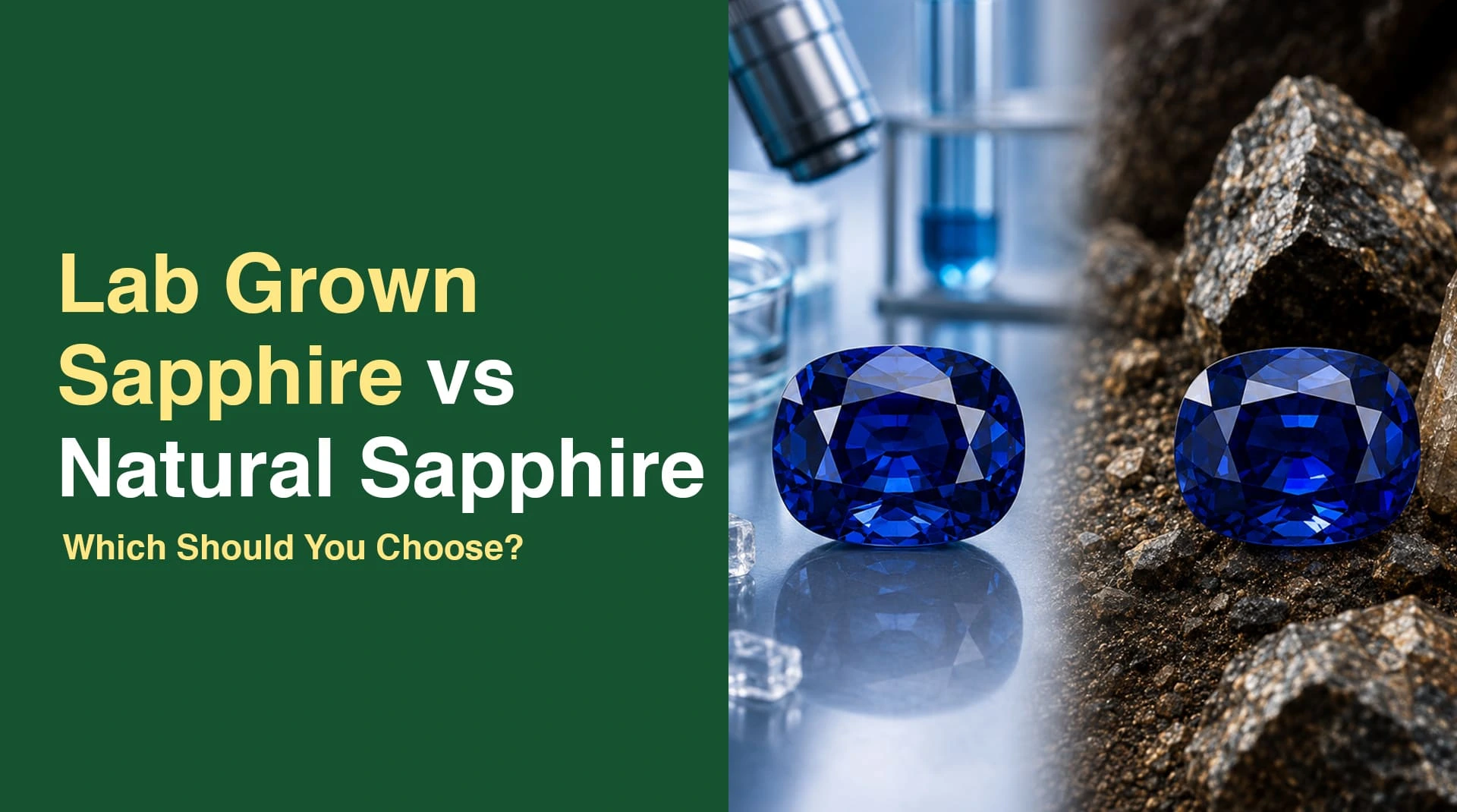
Lab-grown gemstones are real gemstones made in a laboratory instead of being mined from the earth. The Gemological Institute of America (GIA) says that synthetic gemstones have almost the same chemical makeup, crystal structure, and physical and optical properties as natural ones. For example, a synthetic ruby is still corundum colored red by chromium, and a synthetic emerald is still beryl colored green by chromium or vanadium. The only difference is that people grow them instead of nature.
This is different from imitation or simulant stones like glass or cubic zirconia, which only look like real gems but have very different properties. A lab-created gemstone is chemically the same as a mined one. It is a real gem, just made in a different way.

How Are Lab-Grown Ruby, Sapphire and Emerald Made?
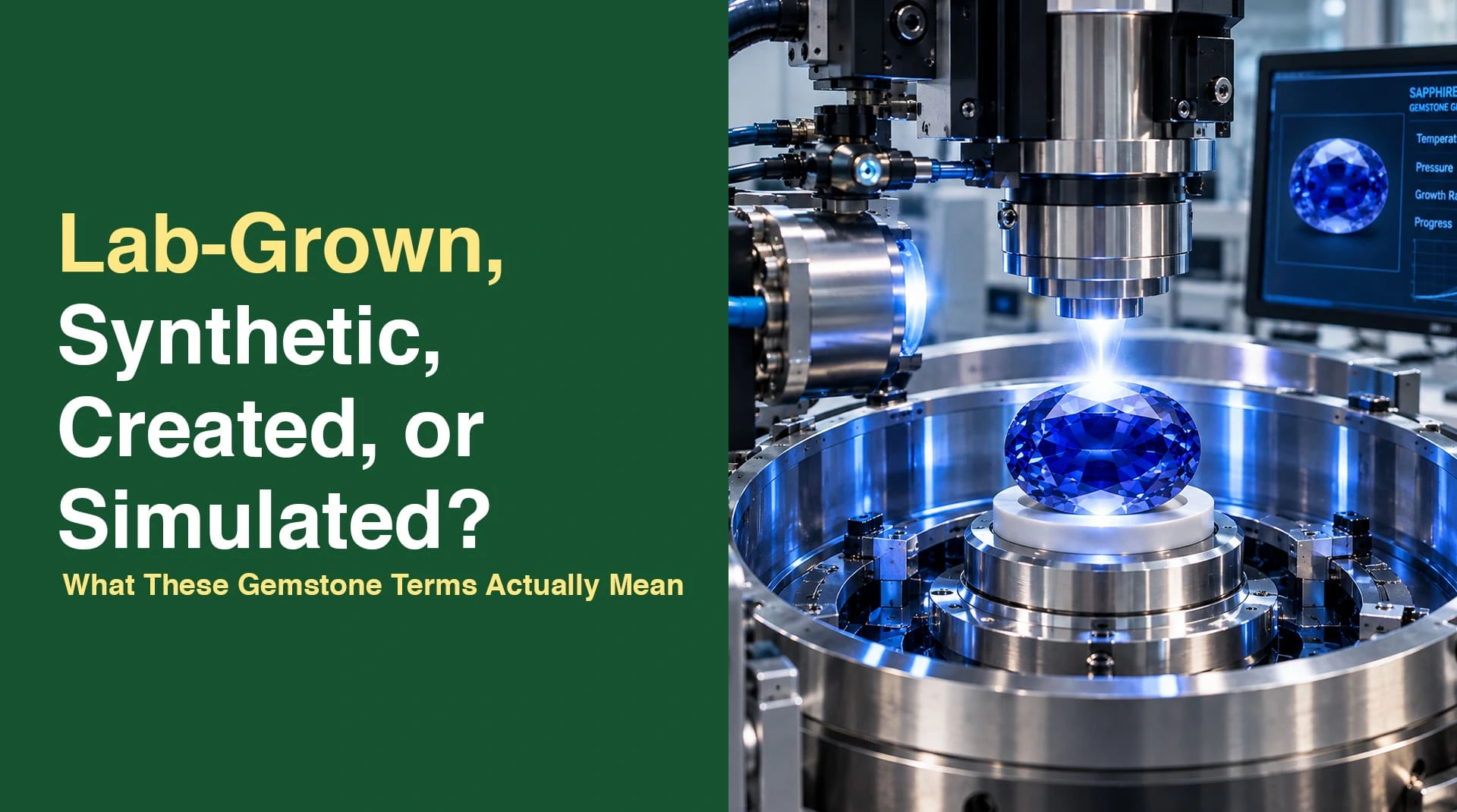
To see why lab-grown gemstones are becoming so popular, it helps to know how much the technology has improved. Today, several proven methods can copy the heat, pressure, and chemistry found deep underground:
Flame Fusion (Verneuil Process)
The first synthetic ruby made for sale was created using the flame-fusion process in 1902. In this method, powdered chemicals are dropped through a very hot flame, melt, and then form crystals on a spinning pedestal. The result is a carrot-shaped crystal called a boule. This is still the cheapest way to make synthetic sapphire and ruby, which is why affordable lab-grown corundum is so common today.
Flux Growth & Czochralski Pulling
Flux growth dissolves the raw materials in a molten flux inside a container and lets crystals slowly form over weeks or months. This slower and more expensive method makes lab-grown rubies, sapphires, and emeralds with natural-looking inclusions that closely resemble mined stones. That is why top labs prefer this method.
Hydrothermal Synthesis
Hydrothermal growth uses high-pressure, heated water inside a sealed container called an autoclave. This is the most expensive method, but it copies nature the best. It is often used to grow synthetic emeralds and other beryl’s. Emeralds made this way are usually cleaner and have brighter colors than mined emeralds, which often have many inclusions and are usually treated with oil.
Newer methods like CVD (Chemical Vapor Deposition) and HPHT (High-Pressure High-Temperature), which were first used for lab diamonds, are now also used for colored stones. These methods let producers control the color and clarity very precisely.

Why Lab-Grown Gemstones Are Becoming So Popular
Lab-grown gemstones are becoming more popular because several trends are coming together at the same time.
1. Dramatically Better Value
Since there is no mining, no extra cost for rarity, and fewer middlemen, lab-created gemstones usually cost much less than mined ones of the same size and quality. Industry data shows that lab-grown diamonds now sell for about 70 to 80% less than similar natural stones, and the same is true for lab-grown sapphires and rubies. This means buyers can choose a bigger, cleaner, or more colorful stone for the same price.2. Ethics and Sustainability
Younger buyers, especially Millennials and Gen Z, care more about conflict-free sourcing and a smaller environmental impact than just brand history. A 2025 GIA survey found that 67% of people aged 25 to 40 preferred lab-grown stones when they saw they looked the same as mined gems. Since synthetic gemstones avoid land damage and ethical issues linked to some mining areas, they appeal to shoppers who care about these values.
2. Consistent Quality and Beauty
A laboratory setting allows for precise color control and fewer unwanted inclusions. This means a lab-grown emerald can show the bright green that only the best and most expensive mined emeralds have, while a lab-grown ruby can offer a clean, rich red that is very rare and costly in nature. Buyers get top-quality beauty without paying extra for rarity.
3. Rapid Technological Progress
Ongoing improvements in reactor design, crystal growth methods, and automation have made production much cheaper and quality better. The cost per carat of a lab diamond dropped by about 70% between 2019 and 2025, and these same advances are making colored synthetic gemstones more available at all price levels.
4. Customisation and Transparency
Since they are made to order, lab-grown gemstones can be cut, sized, and colored to fit your needs. This makes them perfect for custom engagement rings and unique jewelry. Their traceable origin also gives buyers a clear and honest story about where their stone came from.

The Market Numbers Behind the Trend
The demand shift is reflected in hard market fig This shift in demand shows up in the numbers. The global lab-grown gemstone market was valued at about $28.4 billion in 2025 and is expected to grow significantly by 2034. Analysts say the main reasons are sustainability, lower production costs, and more spending by Millennials and Gen Z. The U.S. Federal Trade Commission has reported about a 15% yearly increase in synthetic diamond sales, and surveys show that most shoppers are now interested in lab-grown gemstones like rubies, sapphires, and emeralds—not just diamonds. Major jewelers in Europe, North America, and Asia are adding more lab-created options to their collections.
- Judge it on the 4Cs: as you would a mined stone. Judge it by the 4Cs, just like you would with a mined stone: look at color, clarity, cut, and carat weight to find the best overall appearance. a recognized laboratory that clearly identifies the stone as lab-grown, so you know exactly what you're buying.
- Understand the growth method. Hydrothermal and flux-grown stones usually look most like natural gems, while flame-fusion stones offer the best value. Choose based on your budget and what matters most to you.
- Buy from a transparent jeweler: a reputable seller like Dediam BV will always disclose in plain language that a stone is a lab-grown or synthetic gemstone.
Final Thoughts
Lab-grown gemstones are popular because they offer everything modern buyers want: real gemstone beauty, ethical and sustainable origins, great value, and reliable quality. Whether you choose a bright lab-grown ruby, a calm lab-grown sapphire, or a vivid lab-grown emerald, these stones are real gems with a modern and responsible story. As technology improves and more people learn about them, synthetic gemstones will likely remain among the most exciting trends in fine jewelry. Check out the lab-created gemstone collection at Dediam BV to find a stone that fits your style, values, and budget.